Payroll
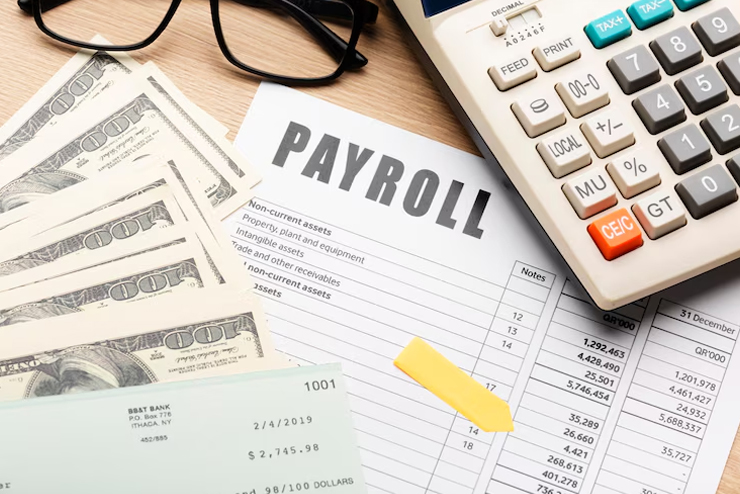
Payroll is a crucial function in human resources and finance, involving the process of compensating employees for their work. It encompasses calculating wages, deducting taxes and benefits, and ensuring compliance with labor laws.

01
Fundamentals of Payroll
- Employee Classification: Determine whether employees are full-time, part-time, temporary, or independent contractors, as this affects compensation and tax obligations.
- Wage Calculation: Calculate gross pay based on hourly rates, salaries, overtime, and bonuses.
- Deductions: Account for mandatory deductions (federal and state taxes, Social Security, Medicare) and voluntary deductions (health insurance, retirement contributions).
- Net Pay: Calculate the final amount employees take home after all deductions.

02
Payroll Processing Steps
- Data Collection: Gather data on hours worked, leave taken, bonuses, and other relevant information from timekeeping systems or spreadsheets.
- Calculation: Use payroll software or spreadsheets to calculate gross pay, deductions, and net pay.
- Review and Approval: Implement a review process to ensure accuracy before finalizing payroll. This may involve approvals from HR or finance.
- Disbursement: Issue payments via direct deposit, checks, or other payment methods, ensuring employees receive their pay on time.
- Reporting: Generate payroll reports for internal use, compliance, and financial reporting.

03
Technology and Tools
- Payroll Software: Utilize payroll management systems like ADP, Paychex, or Gusto to automate calculations, generate reports, and manage employee data.
- Time Tracking Systems: Implement systems to accurately track employee hours, overtime, and leave, ensuring accurate payroll processing.
- Integration with HR Systems: Integrate payroll software with HR management systems (HRMS) to streamline data flow and reduce manual entry.

04
Compliance and Regulations
- Labor Laws: Stay informed about federal, state, and local labor laws regarding minimum wage, overtime, and employee classifications.
- Tax Compliance: Ensure accurate tax withholdings and timely payment of payroll taxes to avoid penalties.
- Recordkeeping: Maintain accurate payroll records for a specified period, typically required by law for audits and compliance.

05
Best Practices
- Regular Audits: Conduct periodic audits of payroll processes to identify errors and ensure compliance with regulations.
- Employee Training: Provide training for HR and payroll staff on payroll systems, regulations, and best practices.
- Transparent Communication: Keep employees informed about payroll policies, deductions, and changes to ensure understanding and trust.

06
Employee Self-Service
- Employee Portals: Offer online portals where employees can access pay stubs, tax forms, and personal information to promote transparency and reduce inquiries.
- Support Channels: Provide clear channels for employees to ask questions or resolve issues related to payroll.

07
Scalability and Adaptability
- Flexible Systems: Choose payroll solutions that can scale with the organization as it grows or changes.
- Adaptability to Change: Be prepared to adjust payroll processes and systems in response to changes in regulations, workforce dynamics, or organizational needs.
Efficient payroll management is vital for maintaining employee satisfaction, ensuring compliance, and supporting the overall financial health of an organization. By leveraging technology, adhering to best practices, and maintaining clear communication, organizations can create a smooth payroll process that benefits both the employer and employees.